
Ramadan Charity Ideas
Best Ramadan Charity Ideas start every single year in the ninth month of the Islamic calendar which is Ramadan. This is a holy time...
Read Article
Ramadan: The Holy Month of Fasting, Faith, and Transformation Imagine a month where the devils are chained, the gates of Heaven are wide open, and a single night of worship is better than a thousand months. This is not fiction—it is Ramadan, the holiest month in Islam, experienced by nearly two billion Muslims worldwide. It is a time of profound spiritual transformation, where believers pause worldly desires to reconnect with their Creator, strengthen family bonds, and purify their bodies and souls. What is Ramadan? Ramadan is the ninth month of the Islamic lunar calendar. Its sacredness comes from being the month when the Quran was first revealed to Prophet Muhammad (peace be upon him) as “a guidance for mankind and a clear criterion of right and wrong.” It is a divine season of mercy, forgiveness, and freedom from hellfire—a golden opportunity for spiritual renewal. The Essence of Fasting: Why Do Muslims Fast? Fasting, or Sawm, is one of the Five Pillars of Islam. Allah commands in the Quran: “O you who have believed, decreed upon you is fasting as it was decreed upon those before you that you may become righteous.” (Quran 2:183) The ultimate goal is Taqwa—God-consciousness. Fasting means abstaining not only from food and drink from dawn to sunset, but also from gossip, lying, arguing, and negative actions. As Prophet Muhammad ﷺ said: “Whoever does not give up false speech and acting upon it, Allah is not in need of him giving up his food and drink.” (Bukhari) Fasting is so central that a 2025 Ipsos study found 23% of participants cited fasting itself as the most cherished aspect of Ramadan, second only to spirituality (32%). The Collective Experience: Millions on One Journey What makes Ramadan unique is its collective nature. Imagine millions worldwide, at nearly the same moment, breaking their fast with a date and a sip of water. This will creates a powerful sense of unity. The Ramadan day begins before dawn with Suhoor, a blessed meal. The Prophet ﷺ said: “Take the pre-dawn meal, for indeed in it there is blessing.” (Bukhari & Muslim). After dawn, the fast begins. The day continues normally—work, school, errands—but with heightened spiritual awareness. Hunger pangs constantly remind Muslims of those less fortunate, awakening empathy and generosity. The Ipsos study confirms this: 76% of respondents said charity is the focus of the month. At sunset, the Maghrib call to prayer signals Iftar, the meal breaking the fast. Traditionally, dates and water are consumed first, following the Prophet’s example. Then comes the Maghrib prayer, followed by a full meal shared with family, friends, and neighbors. Evenings are filled with special Tarawih prayers at mosques, where long portions of the Quran are recited. The Ipsos study notes that 4% of participants specifically highlighted Taraweeh prayer as a treasured feature. This synchronized experience creates immense positive energy, making Ramadan a uniquely human phenomenon. Benefits of Fasting: For Body and Soul Spiritual Benefits: Fasting cultivates God-consciousness, patience, and gratitude. It serves as a spiritual detox, burning away sins and purifying the soul. The sense of accomplishment from self-discipline fosters immense willpower. Physical Benefits: Modern science validates many health benefits. Dr. Rania El-Desoky, a clinical pharmacist, explains that fasting “flips the metabolic switch” from using glucose to burning fat, kicking the body into ketosis. This increases insulin sensitivity, reduces inflammation, and boosts brain-derived neurotrophic factor, enhancing memory and cognition. Nutrition experts add that proper nutrition—complex carbs, proteins, healthy fats—maintains energy and prevents dehydration. A significant 73% of people regard Ramadan as a time to reset bodily habits. The Night of Decree: Laylat al-Qadr The last ten nights of Ramadan are the most blessed. Within them lies Laylat al-Qadr (the Night of Power), the night the Quran was revealed. Allah dedicates an entire chapter to it: “The Night of Decree is better than a thousand months. The angels and the Spirit descend therein by permission of their Lord for every matter. Peace it is until the emergence of dawn.” (Quran 97:3-5) Worship on this single night is better than 83 years. The Prophet ﷺ said: “Whoever stands (in prayer) on Laylat al-Qadr out of faith and hope of reward, his previous sins will be forgiven.” (Bukhari & Muslim). He advised seeking it in the odd-numbered last ten nights. Aisha (may God be pleased with her) asked what to pray on this night, and he taught her: “Say: O God, indeed You are Pardoning and love to pardon, so pardon me.” (Tirmidhi). Elevating the Ramadan Spirit at Home The home becomes a sanctuary of spirituality and warmth during Ramadan. Decoration Ideas: Trends favor warm, calm colors like beige, terracotta, and muted gold. Layering textures—linen, velvet, wood—adds depth. Ramadan pillow covers featuring Islamic geometric designs in gold, green, or white enhance sofas and chairs. Lanterns (Fanous): The quintessential Ramadan symbol. Distribute lanterns of various designs around the house—hang them from ceilings or place them on tables. For a creative, sustainable activity, recycle glass jars into Ramadan lanterns by adding wire handles and decorating with tissue paper or paint. The Ramadan Table: The emotional heart of the home. The aesthetic leans toward curated sophistication with neutral linens, handcrafted ceramics, and organic centerpieces. Mix metals and use varied heights for visual interest. Culinary Delights: Food, Drinks, and Sunnah Useful Food Information: Nutrition experts advise nutrient-dense foods. Suhoor should include oats with yogurt or whole wheat toast with eggs for steady energy. Iftar should start with dates and water, followed by lean proteins, vegetables, and healthy fats. Avoid overeating, fried foods, and sugary drinks. The Prophet ﷺ advised moderation: fill one-third of the stomach with food, one-third with drink, and one-third for air. Sunnah Foods: Following the Prophet’s example brings blessings. Key foods include: Dates: Essential for breaking the fast. Squash & Cucumber: High water content aids hydration. Lentils: Great protein and complex carbs for sustained energy. Melon & Pomegranate: Rich in water, fiber, and vitamins. Eggs, Fish, Bananas: Excellent protein and nutrient sources. Natural Ramadan Drinks: A beloved traditional drink is Qamar al-Deen, thick apricot juice made from dried apricot sheets. A popular variation blends it with mango juice for a smooth, nostalgic drink. Other hydrating options include coconut water, lassi, and fresh fruit juices. Creative Ramadan Desserts: A classic favorite is Kunafa—crisp, golden shredded pastry layered with sweet cream and soaked in fragrant rose water syrup. The key is pouring hot syrup over the hot pastry for the perfect crisp-tender contrast. What People Love Most About Ramadan According to the 2025 Ipsos study, the most cherished aspects are: Spirituality (32%): Viewing Ramadan as transformative. Fasting (23%): The act of devotion itself. Iftar (16%): The meal breaking the fast. Socializing with Family (8%): Strengthening bonds. The Atmosphere (8%): The unique serene and festive environment. Reciting Quran (4%), Taraweeh Prayer (4%), and Charity (2%): Other key features. Health, Wellness, and Practical Advice Managing Medication During Ramadan: Those with chronic conditions must consult healthcare providers before Ramadan. Pharmacists can adjust medication schedules to align with fasting hours. Islam exempts the ill from fasting, and breaking the fast is encouraged if it poses a health risk. Diabetics should watch for blood glucose below 70 or above 300, warning signs to break the fast. Common Mistakes: Overeating at Iftar contradicts self-discipline. Consuming excessive fried and sugary foods leads to sluggishness. Not drinking enough water between Iftar and Suhoor causes dehydration. Neglecting spiritual goals by focusing too much on food is also common. Maximizing Blessings: Before and During Ramadan Before Ramadan: Preparation is key. Start fasting voluntarily in Sha’ban (the preceding month) to acclimate the body. Set spiritual goals for prayer, Quran recitation, and charity. Financially prepare for increased expenses—46% of people report doing this. During Ramadan: Increase good deeds by: Strengthening connection with the Quran through daily recitation and reflection. Increasing voluntary prayers, including Taraweeh and Tahajjud (pre-dawn prayer). Giving charity generously. The Prophet ﷺ said: “The best charity is that given in Ramadan.” This includes donating money, providing food for the fasting, or small acts of kindness. Making sincere supplications (dua) and seeking forgiveness, especially in the last ten nights. Building stronger family and community bonds by praying together and sharing meals. Ramadan Charity Ideas: Beyond financial donations, provide hot Iftar meals, volunteer at food banks, or sponsor projects like food packs or clean water for communities in crisis. Conclusion: More Than Just a Month Ramadan is a three-dimensional journey: physical, mental, and spiritual. It is a time to reconnect with the Quran, increase generosity, and strengthen community bonds. The month concludes with Eid al-Fitr, a joyous day of gratitude to God for completing the fast. For Muslims, Ramadan is not just another month—it is a profound spiritual experience that recharges the soul’s energy for the entire year, leaving an impact on the heart until it returns once again. It’s the end of these great holidays. [wshs_list post_type=”post” name=”Post Sitemap” order_by=”date” taxonomy=”category” terms=”Ramadan”]
Best Ramadan Charity Ideas start every single year in the ninth month of the Islamic calendar which is Ramadan. This is a holy time...
Read Article
Most Common Mistakes In Ramadan are some regular daily duties or habits that we are make it on a daily basis before Ramadan days...
Read Article
Continue Health Benefits Of Ramadan Fasting Part 2 is back again with some more interesting information about Ramadan fasting. The only difference between Ramadan...
Read Article
Some of Health Benefits Of Ramadan Fasting Part 1 are countless benefits at all; it starts from improved weight management and healthier blood cell...
Read Article
Notes of Managing Your Medication During Ramadan and drinking a lot of water too after breaking your fast is the backbone to your health...
Read Article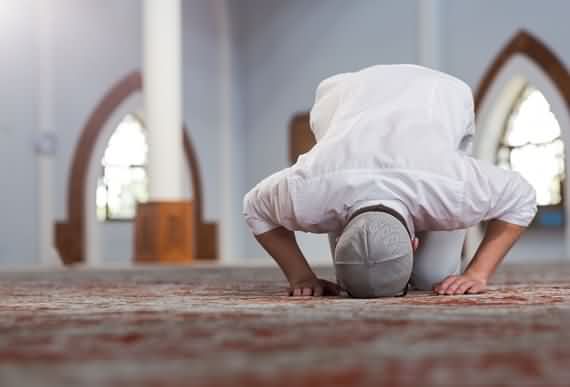
Best Things You Should Do It More In Ramadan are regular things that all Muslims do them on a daily basis; but this must...
Read Article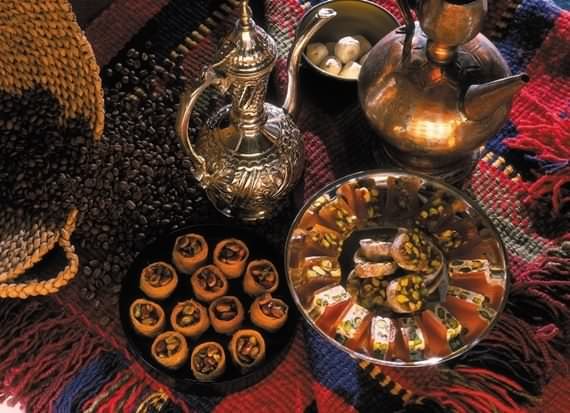
Know What People Love Most About Ramadan this is a very important question you have to ask yourself this question every Ramadan… not just...
Read Article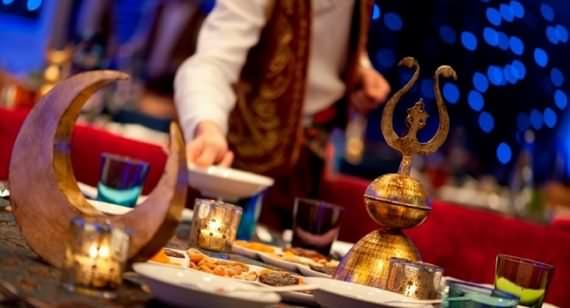
Most Useful Information About Ramadan Food there is two main meals in Ramadan the suhoor and Iftar. Suhoor is a healthy meal you can...
Read Article
Best Ramadan Sunnah Foods “The Messenger of Allah Mohamed used to break his fast before praying with some fresh dates; but if there were...
Read Article
Best Creative Ramadan Desserts This year we pulled together some creative Ramadan desserts which are getting some air time, to do it for you,...
Read Article